The active layer
The few items in use right now. Everything here earns its place by being needed today.
This page gathers the way we think about a working area — where things sit, how light falls, and how far your hand reaches for the tools you use most. It is shared as general information for your own reflection.
Rather than judging a space as tidy or untidy, we look at it as overlapping layers, each with its own logic.
The few items in use right now. Everything here earns its place by being needed today.
Things used weekly. Close enough to grab, far enough not to crowd the surface.
Items kept for reference or rare moments. They live well out of the working line of sight.
Deliberate empty space. A surface needs room to be useful, the way a sentence needs pauses.
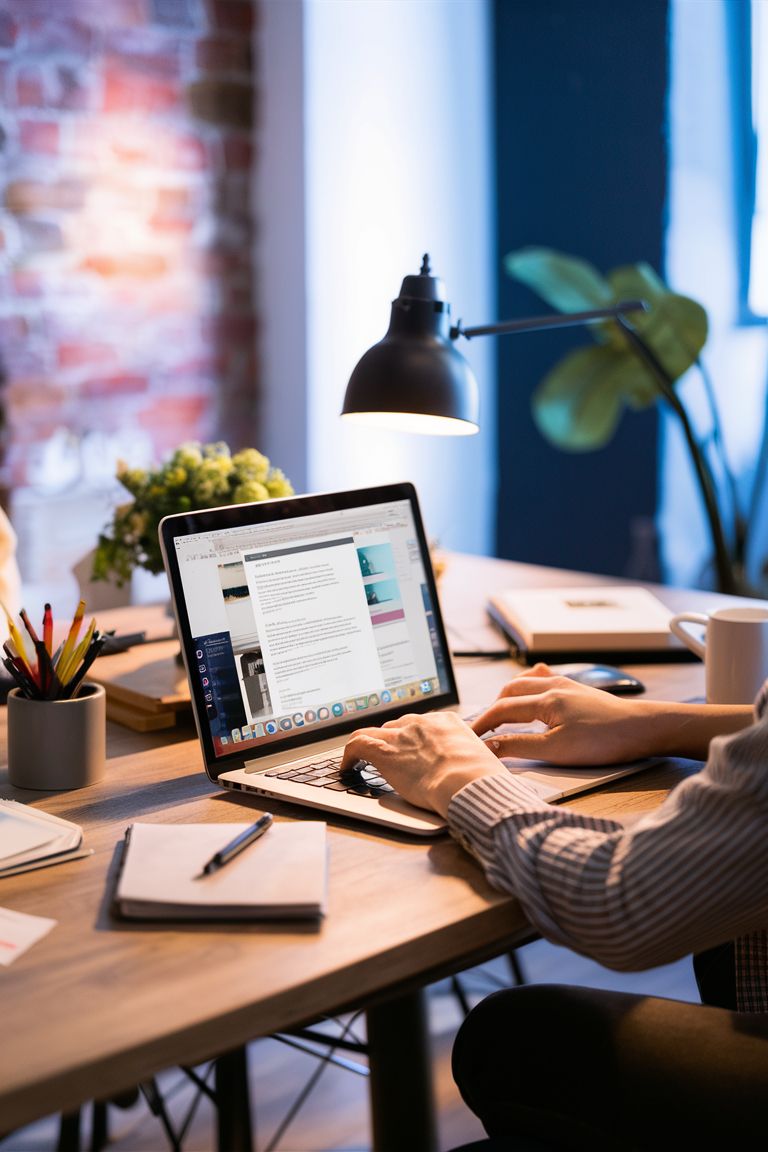
Before moving any furniture, we talk about daylight: which direction it arrives from, when the room feels brightest, and where glare tends to land on a screen during the day.
Each is a conversation. Choose whichever fits how you would like to talk about your space.
Visit us in Auckland to walk through your situation with sketches on a shared table.
A video call where we review photos of your space together and sketch options live.
For Auckland addresses, we can talk things through in the room itself, by arrangement.
Often the opposite. Extra containers can simply give items more places to hide. We usually start by reducing, then arranging.
A comforting phrase, but spaces are personal. Some people think best with a few things in view. We respect that.
Rarely helpful. A single drawer or one corner is a perfectly good place to begin and to stop.
There is only a setup that suits this season of your work. It is meant to change as your tasks do.
Many people find that the hardest part of an organized space is keeping it, not creating it. We often discuss a short closing routine — an idea you are free to try or set aside.
Return today's items to their reach or store layer.
Leave one cue in view so the next start feels easy.
End with a clear surface, ready for the next day.
Please note: The routines and ideas on this page are general information only. They are not professional advice, and results naturally differ from one person and space to another.
“A workspace does not need to be impressive. It needs to be honest about how you actually work.” From a recent session
Tell us a little about your space and we will suggest a format and a few times to meet.